
Production preparation in CNC machining begins long before the machine tool is started. The first step is to analyse the technical documentation provided by the customer. Based on this documentation, the feasibility of manufacturing the component is assessed, the machining technology is selected, the production process is planned, and the quotation is prepared.
Complete and well-structured documentation reduces the need for additional clarifications, speeds up production planning and minimizes the risk of errors already at the implementation stage. So, what information is necessary to start manufacturing CNC components efficiently?
Table of Contents
Why Technical Documentation Is Essential in CNC Machining
Every project begins with a review of the technical documentation. It is the basis for determining whether a component can be manufactured according to the specified requirements and which technological solutions will be the most appropriate.
For more than 45 years, we have been delivering precision CNC machining projects for customers across a wide range of industries. From our experience, well-prepared technical documentation is one of the most important factors influencing efficient production planning and reducing the number of changes during later project stages.
Documentation also affects the selection of raw material, the machining sequence, the fixturing method and the quality control plan. The more information the manufacturer receives at the beginning of the project, the easier it is to establish a stable and repeatable CNC machining process.
What Information Is Required to Prepare CNC Machining?
The more complete the information provided during the quotation stage, the faster the CNC machining process can be prepared and production can begin.
A technical drawing alone is not enough. Information about the material, quality requirements and the intended application of the component is equally important. Providing these details early makes it possible to reduce unnecessary discussions and move more efficiently to the next stages of production.
Technical Drawings and 3D Models in CNC Machining
Technical documentation forms the foundation of every production process. In most cases, it includes manufacturing drawings in PDF format together with 3D models, such as STEP files, which significantly simplify process planning.
The documentation should include:
- Component dimensions,
- dimensional tolerances,
- surface roughness requirements,
- thread specifications,
- reference and functional surfaces,
- any marking or assembly requirements.
For more demanding projects, information about geometric tolerances and surfaces requiring special inspection is also essential.
You can read more about this topic in our article “Dimensional and fit tolerances – how to optimise IT classes in CNC machining to avoid overpaying?“
Material, Batch Size and CNC Machining Requirements
Besides geometric documentation, information about the material, production quantity and quality requirements is equally important. These factors influence CNC machining preparation, raw material selection and the planning of subsequent manufacturing operations.
Before production begins, it is worth specifying:
- The material grade,
- the required production quantity,
- material certification requirements,
- processes performed after CNC machining (such as heat treatment or protective coatings),
- quality inspection requirements.
From our experience, clarifying these details already at the quotation stage significantly streamlines production planning and reduces the need for additional technical discussions.
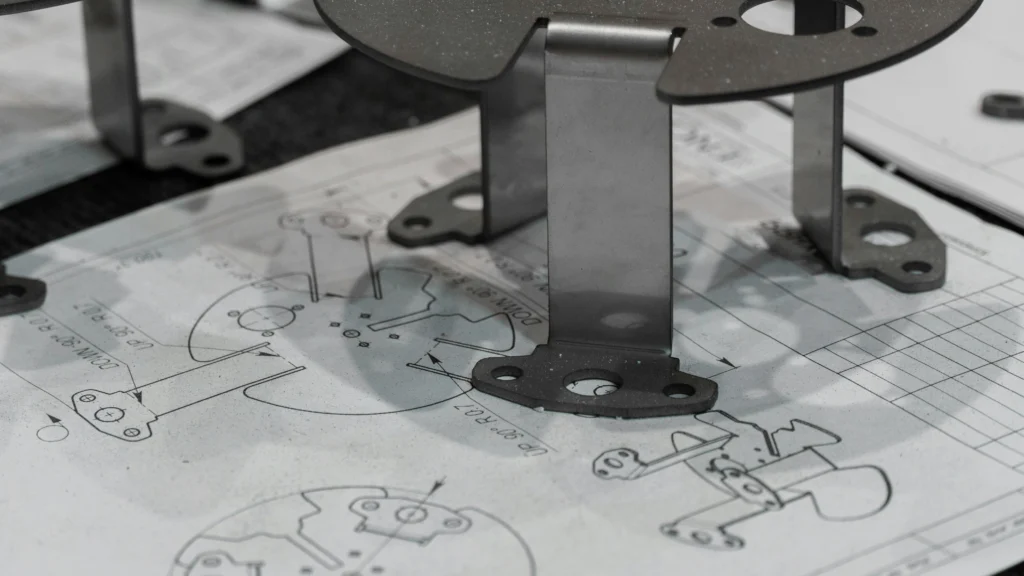
What Can Delay CNC Production Preparation?
Not every documentation package allows the technological process to be prepared immediately. Some projects require additional clarification, which extends both the quotation stage and production planning.
The most common issues include:
- Inconsistencies between the 3D model and the technical drawing,
- missing material information,
- undefined tolerances or surface roughness requirements,
- ambiguous thread specifications,
- missing information about functional surfaces.
In our daily work, we often find that the greatest challenge is not the CNC machining itself, but clarifying the technical requirements before production begins. The sooner these issues are resolved, the faster production preparation can move forward.
How Documentation Analysis Affects the CNC Machining Process
Analysing technical documentation is about much more than preparing a quotation. It provides the basis for planning the entire production process—from selecting the raw material and cutting tools, through fixturing methods, to machining operations and final inspection.
In many cases, potential improvements and manufacturing risks can already be identified at this stage, helping to optimise the production process before machining even begins.
The manufacturing process is prepared by a manufacturing engineer, whose role is to translate the customer’s documentation into a stable and repeatable production process.
You can learn more about this role in our article “From documentation to stable production – the work of a technologist at SIM Gdynia“.
Thanks to this preparation, production can begin efficiently while ensuring that finished components fully comply with the requirements defined in the technical documentation.
Summary
Complete technical documentation makes production preparation faster, shortens project analysis time and reduces the risk of misunderstandings during manufacturing. The earlier the key component requirements are defined, the easier it becomes to select the appropriate technology, choose the right tooling and establish a stable CNC machining process.
In practice, documentation is not always complete from the start. Before production begins, it is therefore worth verifying whether it contains all the information required to prepare the manufacturing process. This helps avoid unnecessary questions, speeds up the quotation process and makes project execution more efficient.
If you are planning to outsource CNC machining and would like to verify your project documentation, contact us. We will help you prepare a manufacturing process tailored to your component and production requirements.